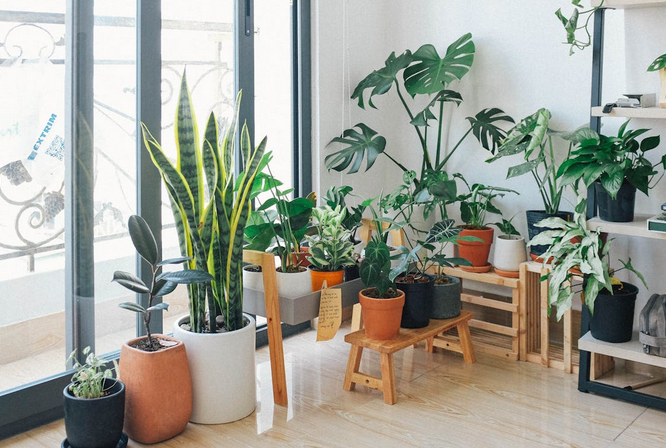
Welcome to the green revolution right in your living room! If you’ve ever dreamed of transforming your home into a lush oasis but felt daunted by the thought of managing plants, you’re not alone. The good news? Indoor gardening can be both effortless and incredibly rewarding! In this blog post, we’ll explore simple tips and tricks that will help you cultivate a thriving indoor garden without breaking a sweat. Whether you’re an experienced plant parent or just starting, you’ll discover how easy it is to infuse your space with vibrant life and fresh air—no green thumb required. Get ready to dig in and bring the beauty of nature indoors.
Choose the Right Plants
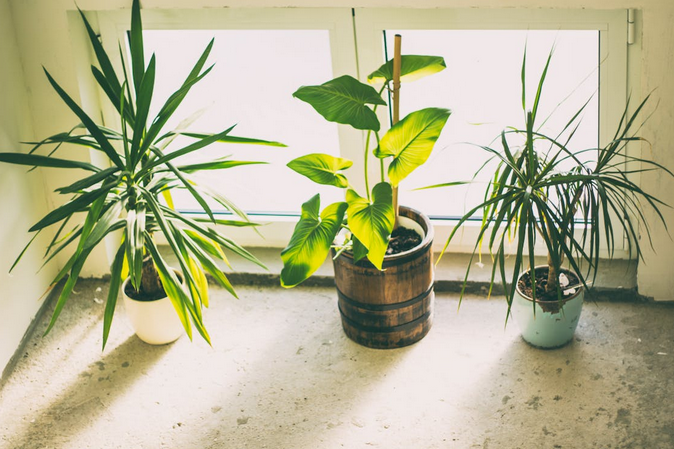
One of the most important steps in indoor gardening is choosing the right plants. Some plants are naturally better suited for indoor environments, especially if you’re not a seasoned gardener. Low-maintenance options like pothos, spider plants, succulents, and snake plants are perfect for beginners. These plants thrive in a range of lighting conditions and don’t require a lot of care. For instance, snake plants are known for their air-purifying qualities and can survive with minimal watering. Once you’ve selected your plants, consider their lighting needs. Some prefer bright, indirect light, while others can thrive in lower light conditions. Be mindful of your space’s natural light to choose plants that will flourish.
Invest in Quality Planters
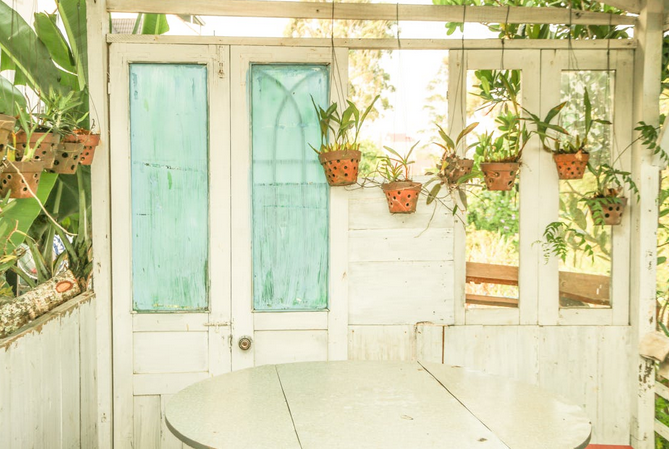
Your indoor garden’s look and health depend on the planters you use. It’s worth investing in quality planters that suit the needs of your plants. Ensure that your pots have drainage holes to prevent water from collecting at the bottom, which can lead to root rot. Terracotta, ceramic, or even wooden planters work well for many indoor plants but always choose one that’s appropriate for the size and type of plant you have. If you’re low on space or need something portable, smaller or hanging planters can be a great option. You can even mix and match different styles to create a unique display.
Keep It Simple With Watering
When it comes to indoor gardening, less is often more—especially when it comes to watering. Overwatering is a common mistake, and it’s usually better to underwater than overdo it. Each plant has different watering needs, so it’s important to know how much each one requires. Succulents, for example, need to dry out completely between waterings, while ferns may need a more regular watering schedule. A simple rule of thumb is to stick your finger into the soil—if it feels dry, it’s time to water. Consider getting a moisture meter if you’re unsure. Also, be mindful of the season. During the winter months, many plants need less water as their growth slows down.
Embrace the Power of Low-Light Plants
Not everyone has access to bright, sun-soaked spaces, and that’s okay! The good news is, there are plenty of indoor plants that thrive in low light. These plants are perfect for those corners of your home that don’t get a lot of natural sunlight. Plants like the ZZ plant, peace lilies, and pothos can survive and even thrive with just indirect or low light. They’re perfect for apartments, offices, or any space where sunlight may be limited.
Keep It Fresh With Easy Maintenance
Indoor gardening doesn’t have to be a full-time job. It can be a breeze if you’re mindful of a few maintenance tasks. First, regularly dust your plants to ensure their leaves can photosynthesize properly. If you notice yellowing or dead leaves, remove them to keep the plant healthy. Also, consider fertilizing your plants a few times a year—especially during their growing season. A simple all-purpose houseplant fertilizer will do the trick and keep your greenery lush and vibrant.
Make It Your Own
Indoor gardening is a chance to express your creativity. Whether you’re arranging plants on shelves, creating a small herb garden in the kitchen, or even experimenting with plant walls, the possibilities are endless. You can make your indoor garden as simple or as elaborate as you like. And don’t forget to add personal touches like decorative pots or fun plant labels to give your space a bit of personality. When you make the space your own, tending to your plants will feel like a rewarding and enjoyable activity.
Bringing nature indoors doesn’t have to be complicated. With just a few plants, the right tools, and a little bit of care, you can create a thriving indoor garden that’s low-maintenance and beautiful. From choosing the right plants to embracing the beauty of low-light options, indoor gardening can fit into any lifestyle. So, why not start your indoor garden today? It’s an easy way to bring a bit of the outdoors into your home—and enjoy the calming benefits of nature year-round.…
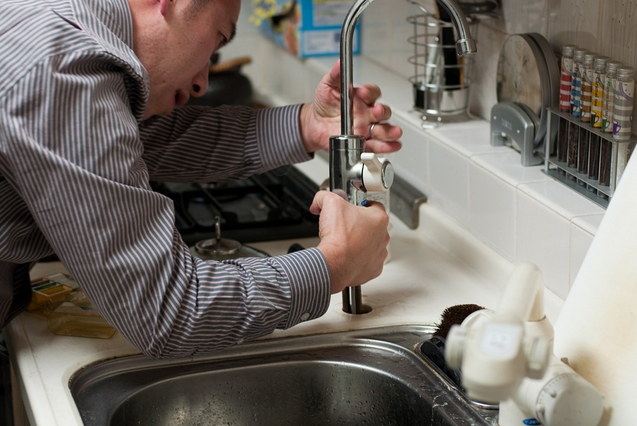
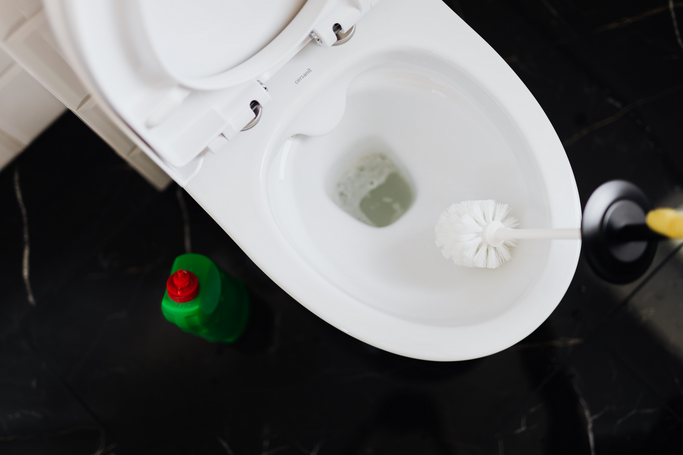
 Okay, let’s be honest. It may seem harmless at first, but over time, it can lead to serious blockages and clogs. When you wash your hair in the shower or sink, little pieces of hair fall out and inevitably end up going down the drain. While some hair may be small enough to pass through easily, larger clumps can get stuck on any rough surfaces or debris already present in your pipes. This accumulation of hair can start to build up over time and cause slow-draining water.
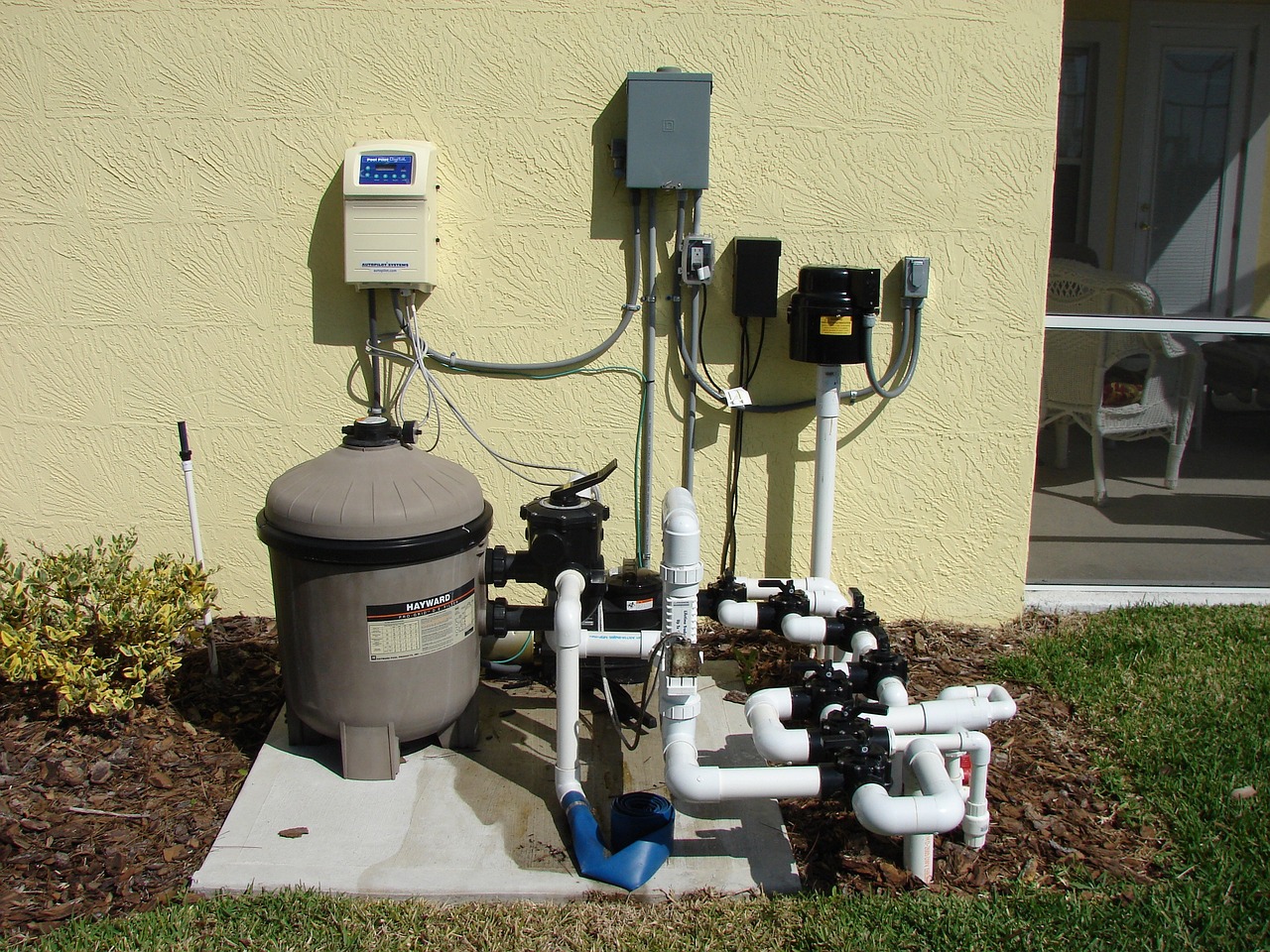

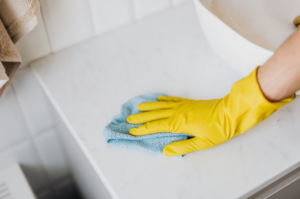 Contact time is one of the most important considerations when choosing a home disinfectant. This is the time that the disinfectant needs to be in contact with a surface to kill germs. Some products claim to work instantly, but in reality, they may only reduce the number of germs on a surface. Make sure to read the label carefully and choose a product with a contact time appropriate for the characters you plan to disinfect.

 Another tip is to check your roof for any damage regularly. This includes checking for missing or damaged shingles, cracks, or holes. If you notice any of these problems, be sure to have them fixed as soon as possible to avoid further damage. If you are not experienced in roof repair, it’s best to hire a professional. Many people who try to repair their roofs on their own end up causing more damage, which can end up costing more money in the long run.
 It’s not rocket science to understand that the longer something goes without being cleaned, the dirtier it becomes. The same is true for our mattresses. Over time, dust mites, sweat, skin cells, and other allergens build up on the surface of our mattresses. This can cause a number of respiratory problems and other health issues. That’s why the people living in Singapore don’t really factor in the mattress cleaning cost because they know it’s such a necessity.
 There are a few different ways you can clean your mattress. You can vacuum, steam clean, or use a mattress protector. Vacuuming is the most common method of cleaning a mattress. You can rent a vacuum cleaner from your local hardware store or purchase one online. Be sure to use the upholstery attachment when vacuuming your mattress. Steam cleaning is another option for cleaning your mattress. You can either rent a steam cleaner or purchase one online. Be sure to follow the instructions carefully when using a steam cleaner.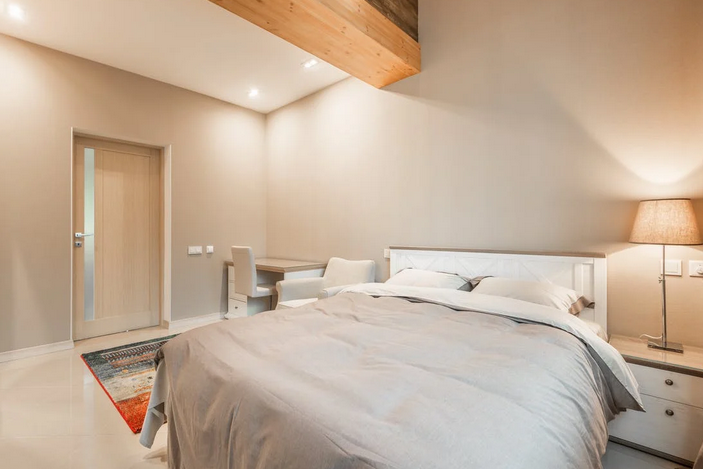
 To remove any dust or dirt that may have accumulated, you should vacuum your mattress on a regular basis. You can do this once a month or so, depending on how often you use your bed. In fact, you can even consider hiring a highly recommended mattress cleaning service if you want your bed to be cleaned professionally.
 If you have bed bugs or other pests, it’s essential to get rid of them as soon as possible. There are a number of different treatments that you can use, depending on the severity of the infestation. Talk to a pest control professional to find the best option for your situation.